


Plenary Lectures
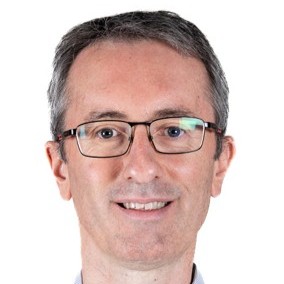
Bio: Jose Adam is Professor at the Universitat Politècnica de València – UPV. He and his team perform research in the field of structural engineering, always aiming to improve the resilience of buildings and bridges. Although he considers himself an experimental researcher, he always combines his experiments on full-scale structures with advanced computational simulations. Prof. Adam is a founding partner of the spin-off company Calsens, Editor-in-Chief of Construction and Building Materials, and holder of two ERC Grants for the amount of €2.6 million. Two of his works have been published in Nature magazine, one of which was featured on the cover of the issue.
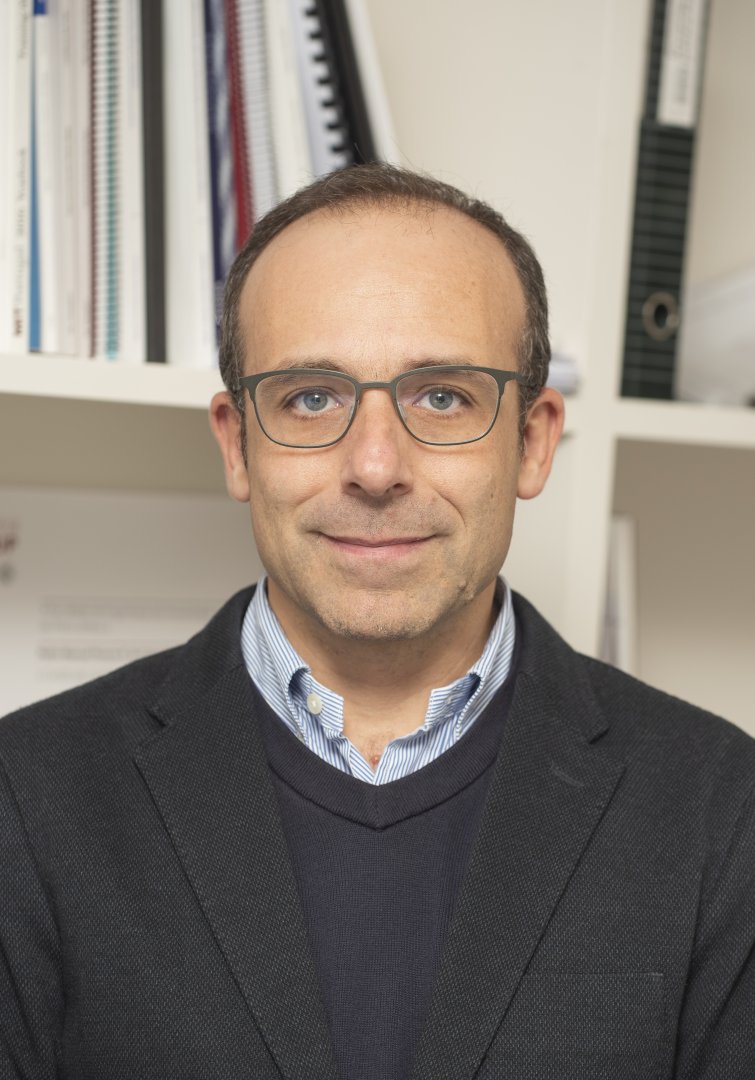
Bio: Pedro Camanho is Full Professor of Mechanical Engineering at the University of Porto, Portugal, and a leading
international expert in the mechanics and design of advanced composite materials and structures for aerospace
applications. He holds an MSc in Mechanical Engineering (University of Porto, 1995) and a PhD in Composite Materials
from Imperial College London (1999).
Pedro Camanho’s research focuses on the mechanics of deformation and fracture of advanced polymer composites across
scales, as well as novel concepts for lightweight multifunctional structures, including hybrid, nano-structured,
variable-stiffness, and energy-storage composites. His work has been integrated into leading engineering software such
as ABAQUS, LS-DYNA, and DIGIMAT, influencing industrial practices in aerospace and automotive sectors.
Pedro Camanho has held visiting positions at NASA-Langley Research Center, the U.S. Air Force Research Laboratory,
Imperial College London, Brown University, Cambridge University, and ENS- Cachan. He has coordinated major projects with
the European Space Agency, Airbus, Daimler, Embraer and the European Commission, and received an ERC Advanced Grant in
2024. His honors include the NASA H.J.E. Reid Award, Fellowship of the Royal Aeronautical Society, Académie de l’Air et
de l’Espace Medal, and Election to the Lisbon Academy of Sciences and to the Academy of Engineering, Portugal. He is an
Honorary Professor at the Nanjing University of Aeronautics and Astronautics.
Bio: Antonio J. Gil is Professor of Civil Engineering at Swansea University (UK) and 2025–26 Leverhulme Trust Research Professor at the Zienkiewicz Institute for Modelling, Data and AI. He also holds an Honorary Professorship at Keele University, represents the UK in the ECCOMAS European Solids and Structures Group, and serves as a committee member of IUTAM. He is the recipient of several prestigious prizes, including the Philip Leverhulme Prize (2011) and the ECCOMAS Zienkiewicz Prize (2016), and was elected Fellow of the Learned Society of Wales and Fellow of the FOCAL Association (Spain) in 2024.
He is internationally recognised for his contributions to Computational Mechanics, Multiphysics, and Extreme Mechanics, with over twenty years of research experience. His work focuses on large strains, stability, fast dynamics, nonlinear computational multiphysics, multi-scale modelling, and predictive mechanics for advanced materials and structures under extreme and highly coupled conditions. He has particular expertise in Finite Element (FEM), Finite Volume (FVM), and Smoothed Particle Hydrodynamics (SPH) methods, as well as data-enhanced and physics-informed computational strategies for stability, actuation, and intelligent control of complex material systems.
He has co-authored 3 books and over 100 journal papers, with an H-index of 37. Professor Gil leads an interdisciplinary research team of mathematicians, engineers, and physicists at Swansea University and directs a recently established laboratory on soft smart materials. His research has attracted over €5.2M in funding from major public and industrial sponsors, including EPSRC, the EU, AWE, DSTL, UKAEA and Siemens Healthineers. He has supervised more than 25 PhD students to completion, many of whom have received national and international distinctions and now hold academic and industrial leadership positions. He has delivered over 30 keynote, plenary, and invited lectures worldwide.
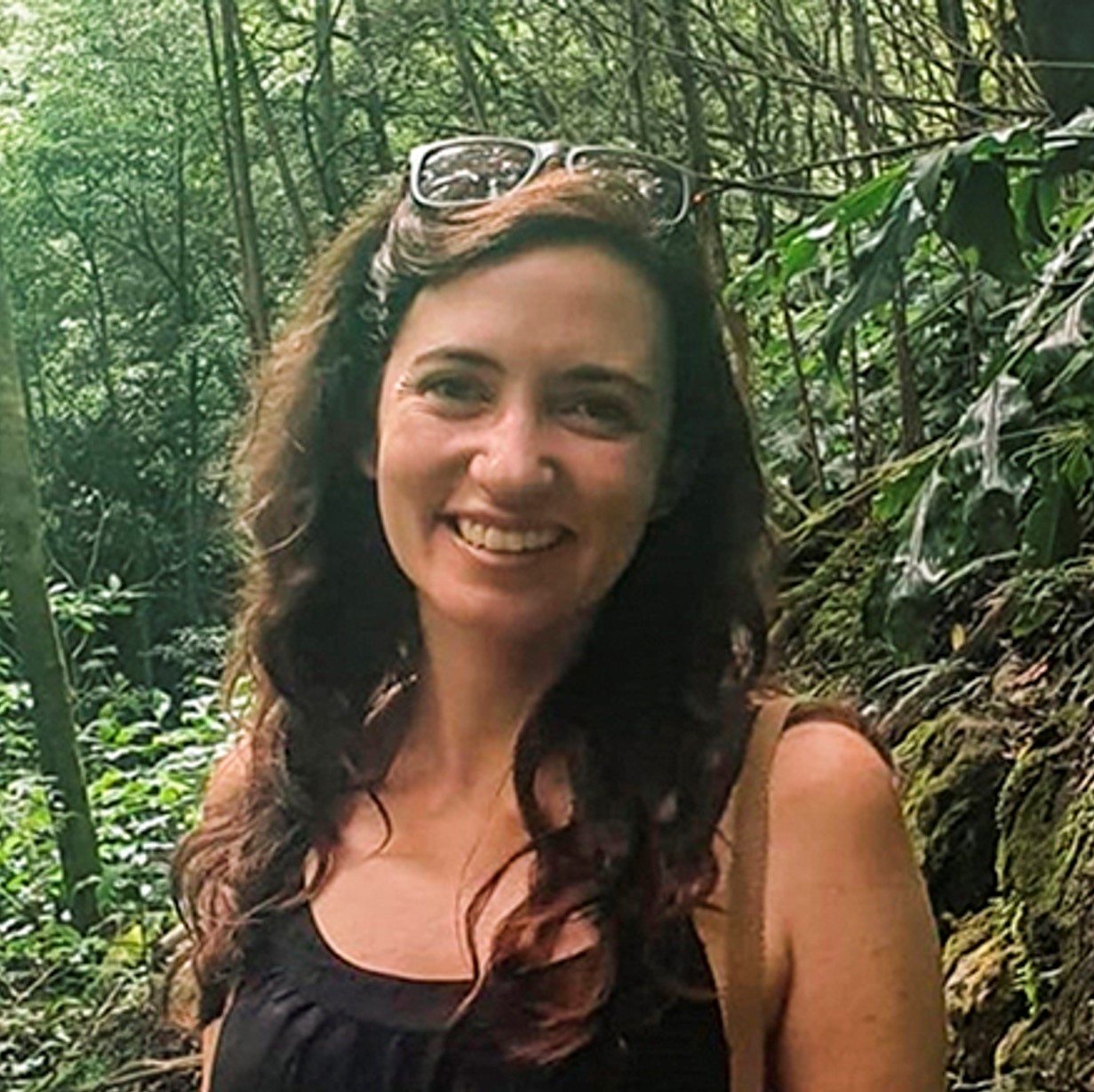
Bio: Soledad Le Clainche is Professor at the Universidad Politécnica de Madrid (UPM), where she completed her Ph.D. in Fluid Dynamics. She leads as Principal Investigator multiple national and EU-funded projects in flow structures, machine learning, reduced-order modeling, and computational fluid dynamics (CFD), with applications in aerospace engineering, air pollution, and personalized medicine. She has received several prestigious honors, including the 2022 Young Scientist Award from the International Sustainable Aviation and Energy Research Society (SARES), the Agustín de Betancourt y Molina Award for research impact (2025), and the Juan López de Peñalver Medal for technological innovation (2025), both from the Royal Academy of Engineering, and she has been included in Stanford’s World’s Top 2% Scientists list for four consecutive years.
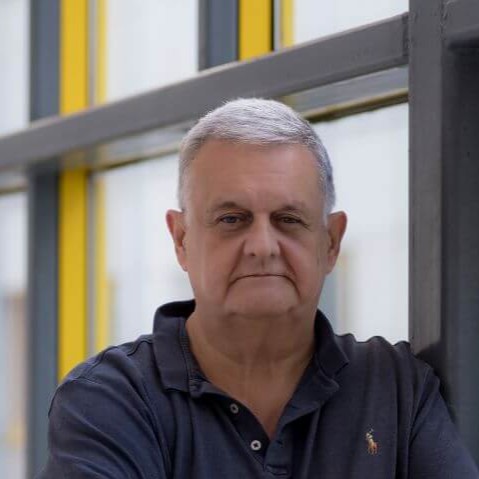
Bio: Fermín Navarrina is a full professor at the Civil Engineering School of the University of A Coruña (UDC, Spain) since
1991, where he is a member of the Group for Numerical Methods in Engineering (GMNI). He holds a BSc and MSc degree from
the Polytechnic University of Madrid (UPM, Spain) and a PhD from the Polytechnic University of Catalonia
(UPC-BarcelonaTech, Spain). Since 1983 he teaches courses on Computational Engineering (computational mechanics,
numerical methods, optimization, statistics, mathematical methods and computer programming) in undergraduate, master’s
and doctoral programs in Civil Engineering. His research falls within the same field.
From 1983 to 1991, he served at UPC-BarcelonaTech. In 1991, he founded the Civil Engineering School at UDC, where he was
responsible for organizing the curricula for the BSc, MSc and PhD programs, hiring the faculty (approx. 70 people),
organizing the operations (including teaching and research) and designing and setting up (including getting funds for)
the different lightweight labs and the heavy duty lab “Center for Technological Innovation in Construction and Civil
Engineering” (CITEEC). From 2004 to 2008 he served as chair of the UDC Doctoral Board.
Between 1993 and 2020 he was an elected member of the Executive Committee of SEMNI. Since 1993 he is a member of the
IACM. He has published over 70 papers in indexed international journals, 9 chapters in books and over 150 papers in the
proceedings of leading international conferences in his field. He has also delivered over 70 other oral communications
at conferences without proceedings and has delivered 18 relevant invited lectures. He has supervised 7 doctoral theses
and 8 master's theses, some of which have received major awards.
He has participated in 41 research projects awarded in competitive public calls at the European, national and regional
levels (in 13 of them as principal investigator) for a total amount over 5 M€, and in 32 research contracts with
industry or the public sector (in 12 of them as director), and has collaborated in the organization of 48 conferences
(mostly international).
He was awarded Fellow of the Wessex Institute of Great Britain (WIT) in 2003, the Medal from the regional section of the
Spanish Professional Association of Civil Engineers in 2003, the Icarus Prize from the Structural Mechanics Group of UDC
in 2006, the Professional Merit Medal from the Spanish Professional Association of Civil Engineers in 2006 and the 2025
SEMNI Olgierd Zinkiewicz Prize to the research trajectory in 2026.
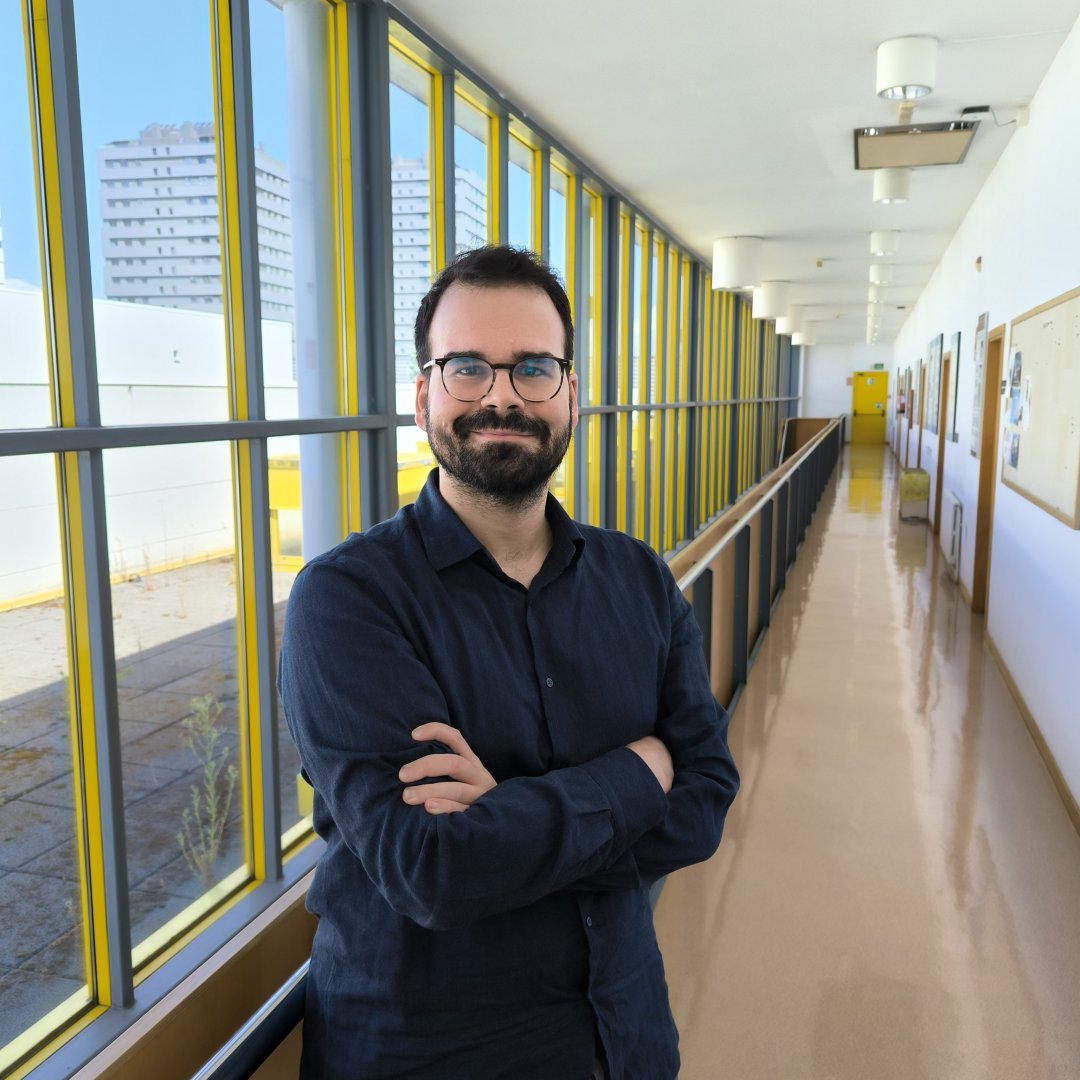
Bio: Dr. Lorenzo is a Ramon y Cajal fellow in the Group of Numerical Methods in Engineering (GMNI) at the University of A Coruña (UDC, Spain) and research affiliate at the Oden Institute for Computational Engineering and Sciences at The University of Texas at Austin (US). Previously, he obtained his PhD from UDC in 2018 and developed his academic career at the University of Pavia (Italy), The University of Texas at Austin (USA), and the Health Research Institute of Santiago de Compostela (Spain). At UDC, Dr. Lorenzo leads a team of researchers working in computational oncology within GMNI. His research is equally divided into (i) investigating the biophysical mechanisms governing the development and treatment of cancers using mechanism-based mathematical models, (ii) developing accurate and efficient computational methods to solve these models and parameterize them using multiscale and multimodal data from individual patients, and (iii) leveraging these computational technologies to obtain personalized tumor forecasts that support decision-making in clinical oncology. Recently, he has also started working on mechanistic learning approaches that hybridize mechanism-based models and machine learning for applications in clinical oncology, such as biomarker design, construction of risk classifiers, and scientific machine learning methods to accelerate tumor forecasting. While his work has primarily focused on prostate cancer growth and response to radiation and systemic therapies, he also develops his research in the context of neoadjuvant therapy of breast cancer and chemoradiation of high-grade gliomas.

Bio: Professor at the Department of Civil Engineering, University of Minho, Portugal. President of ICOMOS ISCARSAH Heritage Structures Committee. Experienced in non-destructive testing, advanced experimental and numerical techniques, innovative repair and strengthening techniques, and earthquake engineering. Consultant on 200 monuments / 20 UNESCO WHS. Revision leader of the European masonry code (EN 1996-1-1). Coordinator of the MSc on Structural Analysis of Monuments and Historical Constructions for 20 years. Editor of the International Journal of Architectural Heritage. Author of “Historic Construction and Conservation” and “Finite Element Analysis for Building Assessment”, Routledge (2019 and 2022). Awarded an ERC Grant to develop an integrated seismic assessment approach for heritage buildings. Coordinated an MSCA-DN on sustainable building lime applications.
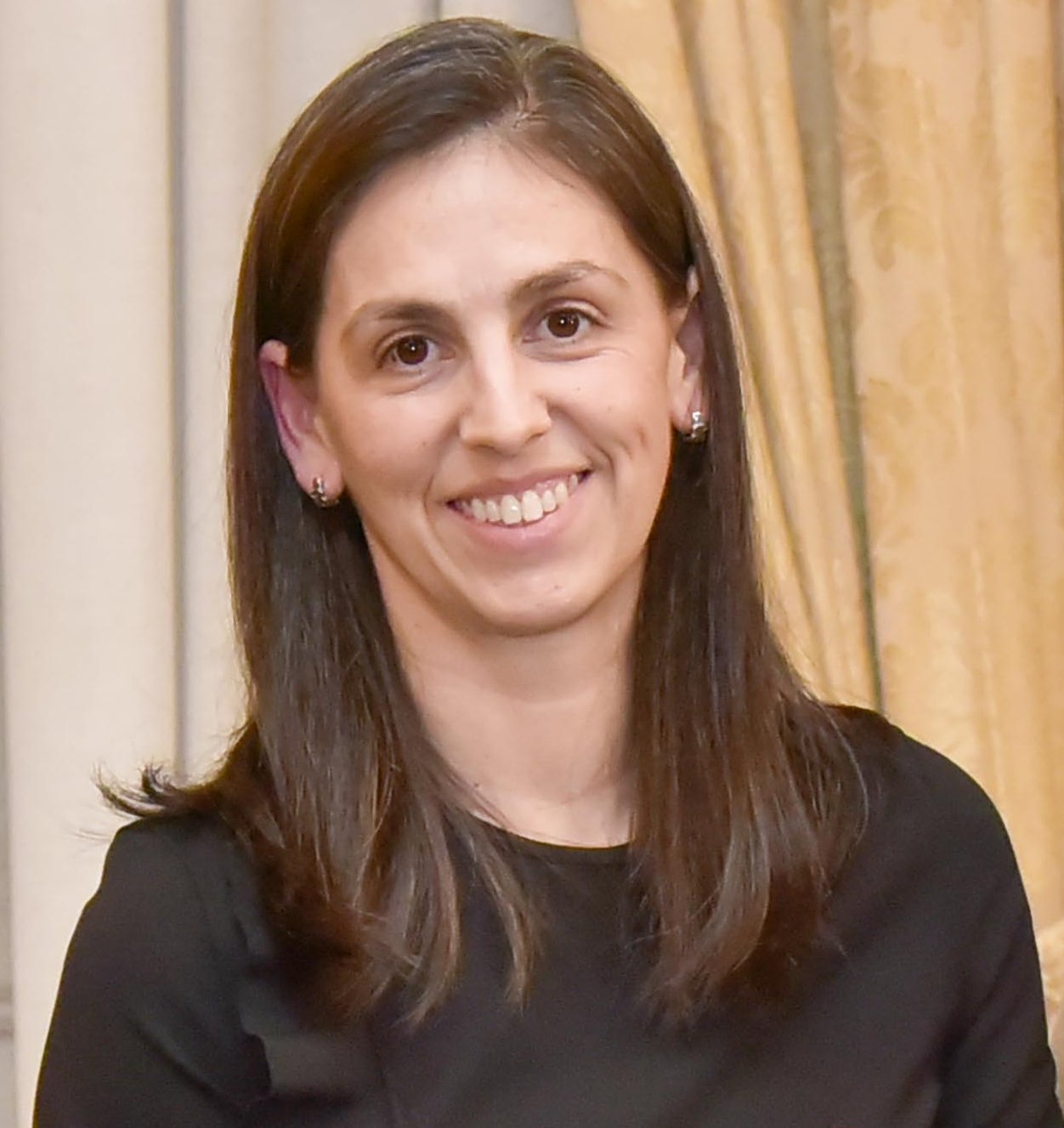
Bio: Belén Riveiro is Full Professor at the University of Vigo (UVigo). Her research focuses on the field of infrastructure resilience, where she integrates different disciplines such as structural engineering, geomatics, artificial intelligence, and automation in construction. She has led several national and international collaborative projects (with funding as the principal investigator exceeding €5,5 million). As a result, she has published more than 150 peer-reviewed publications. Belén Riveiro is the Editor in Chief of The Photogrammetric Record and is part of the Editorial Board of Infrastructures. Along her career, Belén has received numerous awards, being specially relevant the “National Research Award Matilde Ucelay 2022", delivered by TM the Kings of Spain, which represents the greatest recognition of research career in the field of Engineering and Architecture for young researchers in Spain.